



THE PRODUCT
Vol. 01
August 26, 2026
A garment isn't finished when the design is. Fabric is cut, sewn, washed, and finished — each step calling for its own skill.
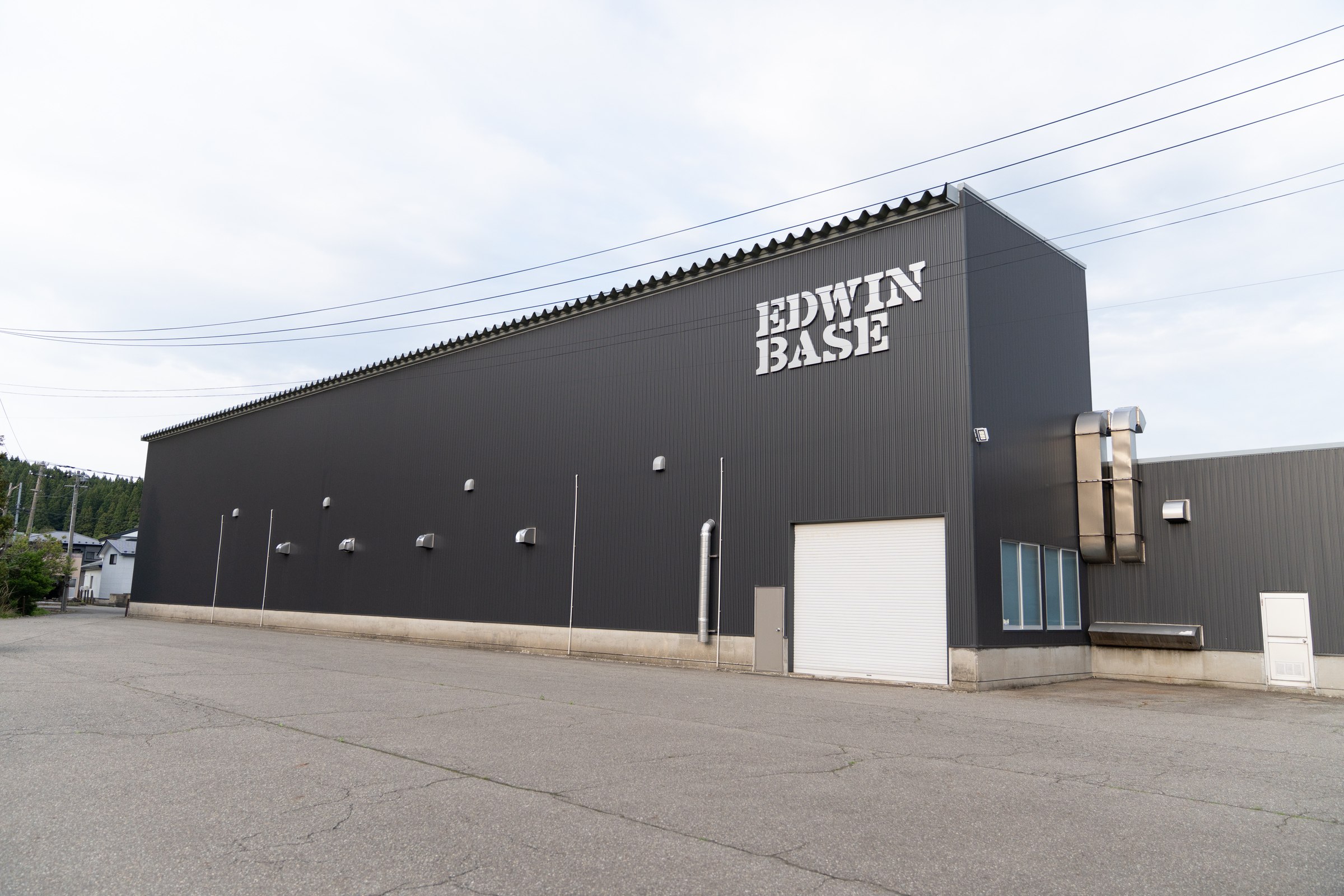
UpcycleLino turns cutting scraps from nest Robe and CONFECT production into new yarn. For this collaboration with SKEWed, we followed that material all the way to a finished garment, working with EDWIN's production sites in Japan.
01
A New Perspective on Circular Material
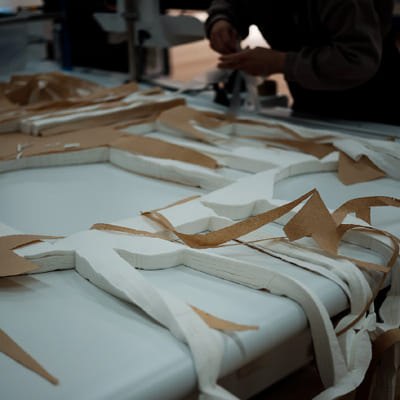
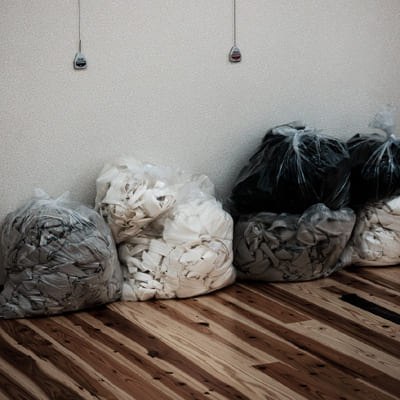
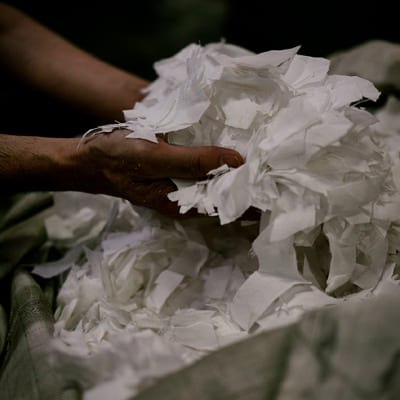
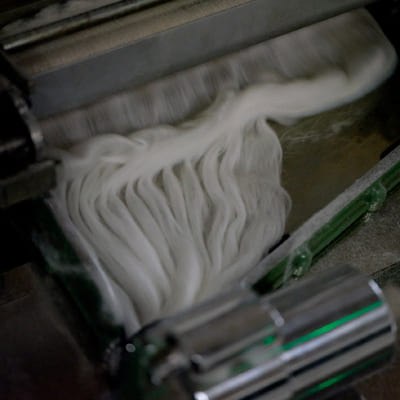
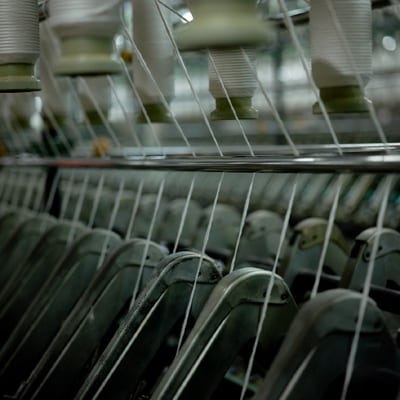
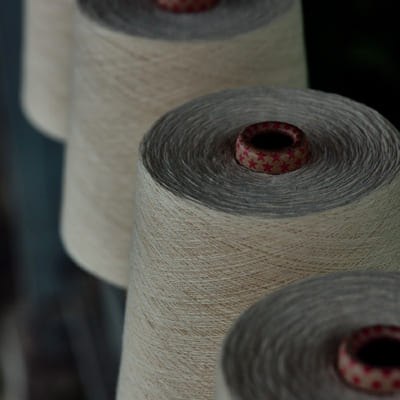
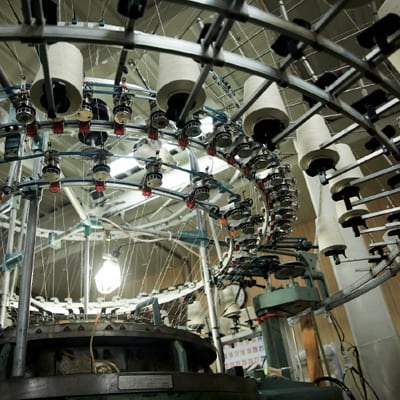
UpcycleLino recovers fabric offcuts from garment production, shreds them, and respins them into new yarn. Its natural slubs and unevenness are kept as character, not flaws.
SKEWed builds on EDWIN's long history in denim, applying that expertise from a new angle — its name means "skewed," a deliberate shift in view.
Both projects share the same idea: not discarding what already exists, but finding new possibility in it.

02
From Sewing to Finishing, in Tohoku
Three jacket styles are made at EDWIN BASE in Akita; three pant styles at a sewing factory in Aomori. Finished pieces then travel to JEANS M.C.D in Akita for washing, processing, and finishing.
EDWIN BASE handles everything from fabric storage to sewing and inspection. JEANS M.C.D handles washing, dyeing, bleaching, abrasion, drying, finishing, and inspection.
No single factory completes a garment alone — the fabric moves between sites, each adding what the next step needs.
From Fabric to Product
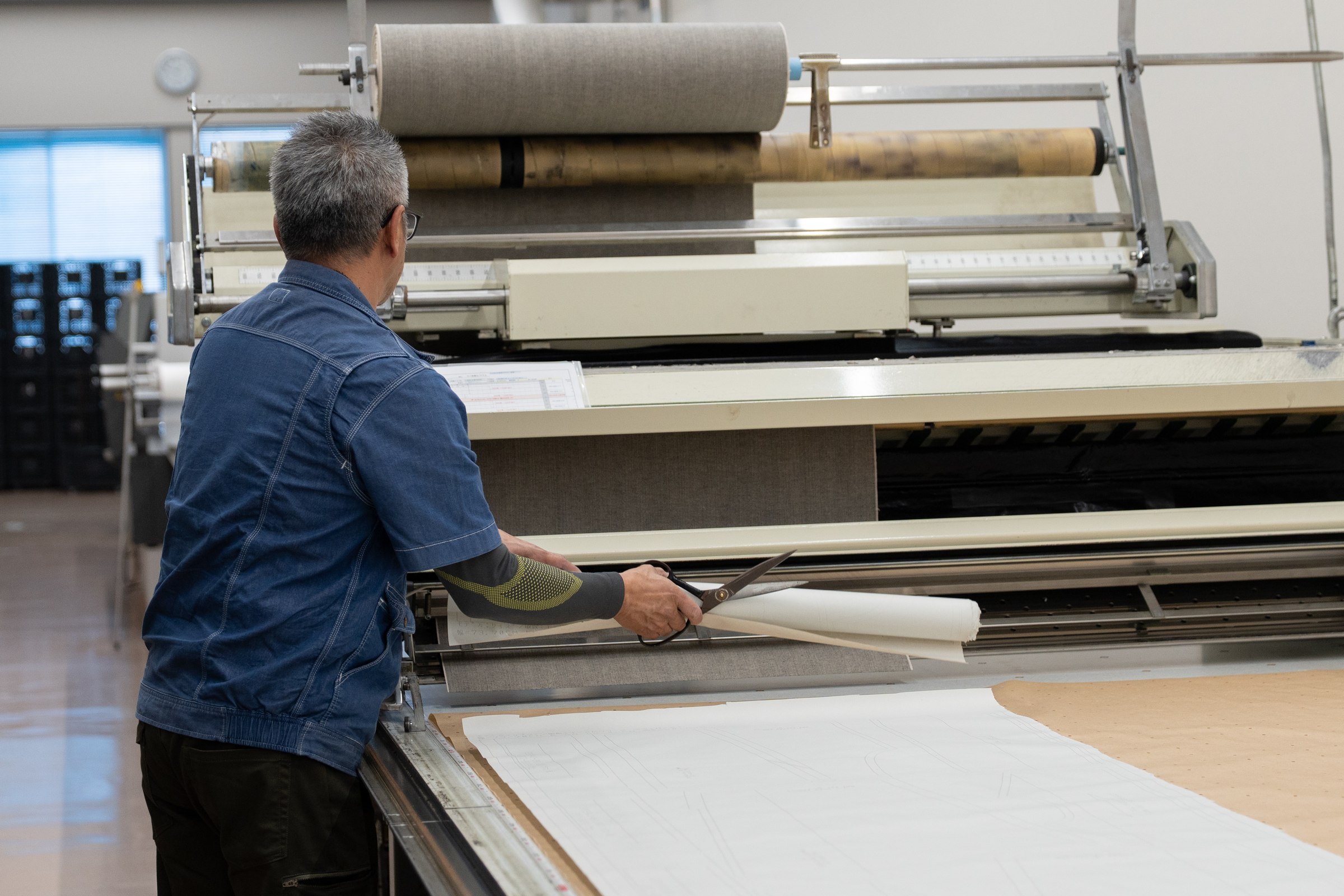
At EDWIN BASE, fabric storage sits near the entrance, spreading and cutting equipment follows, and the sewing line runs deepest inside. Fabric is first spread on tables that float it on a cushion of air, easing the strain of handling heavy rolls.
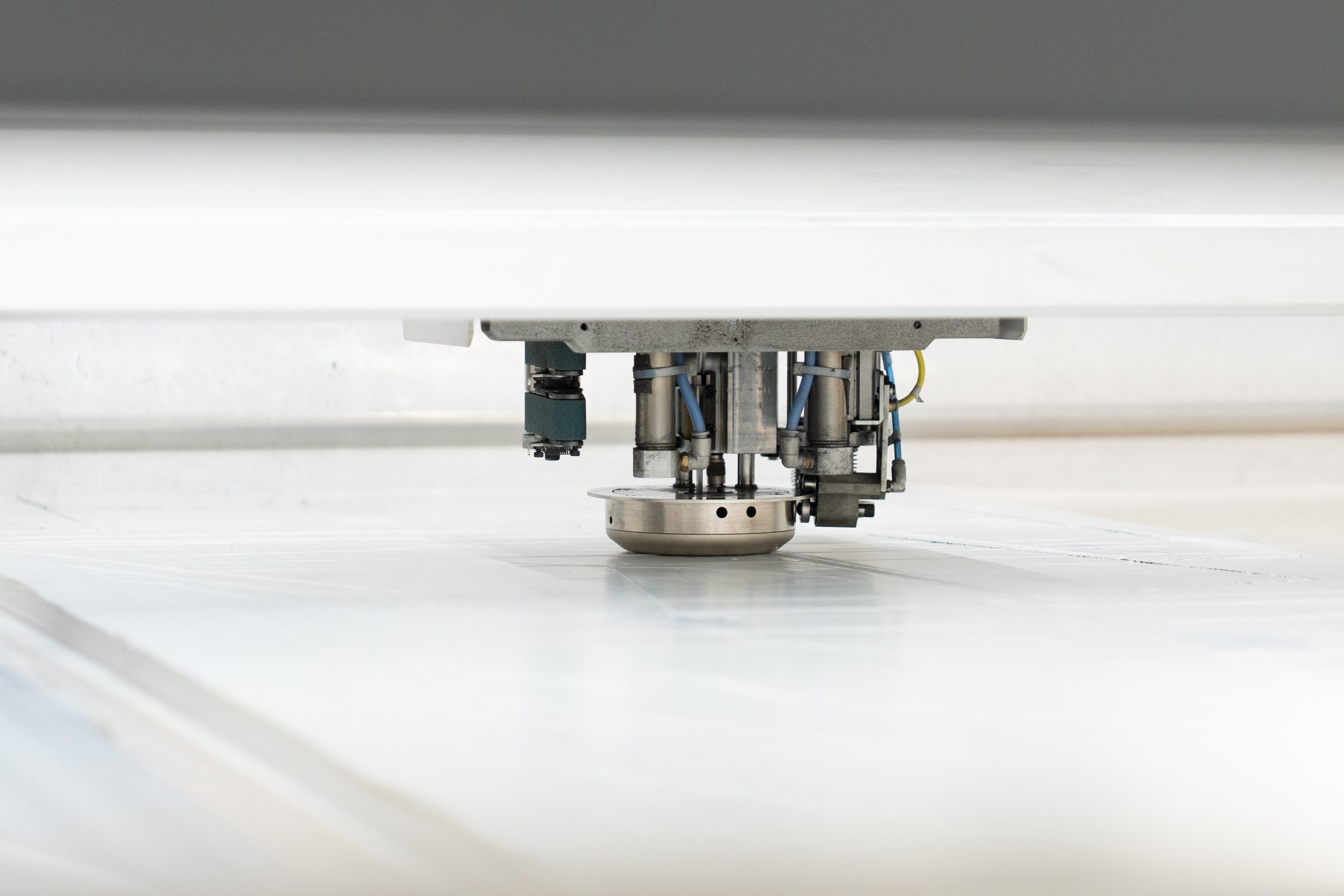
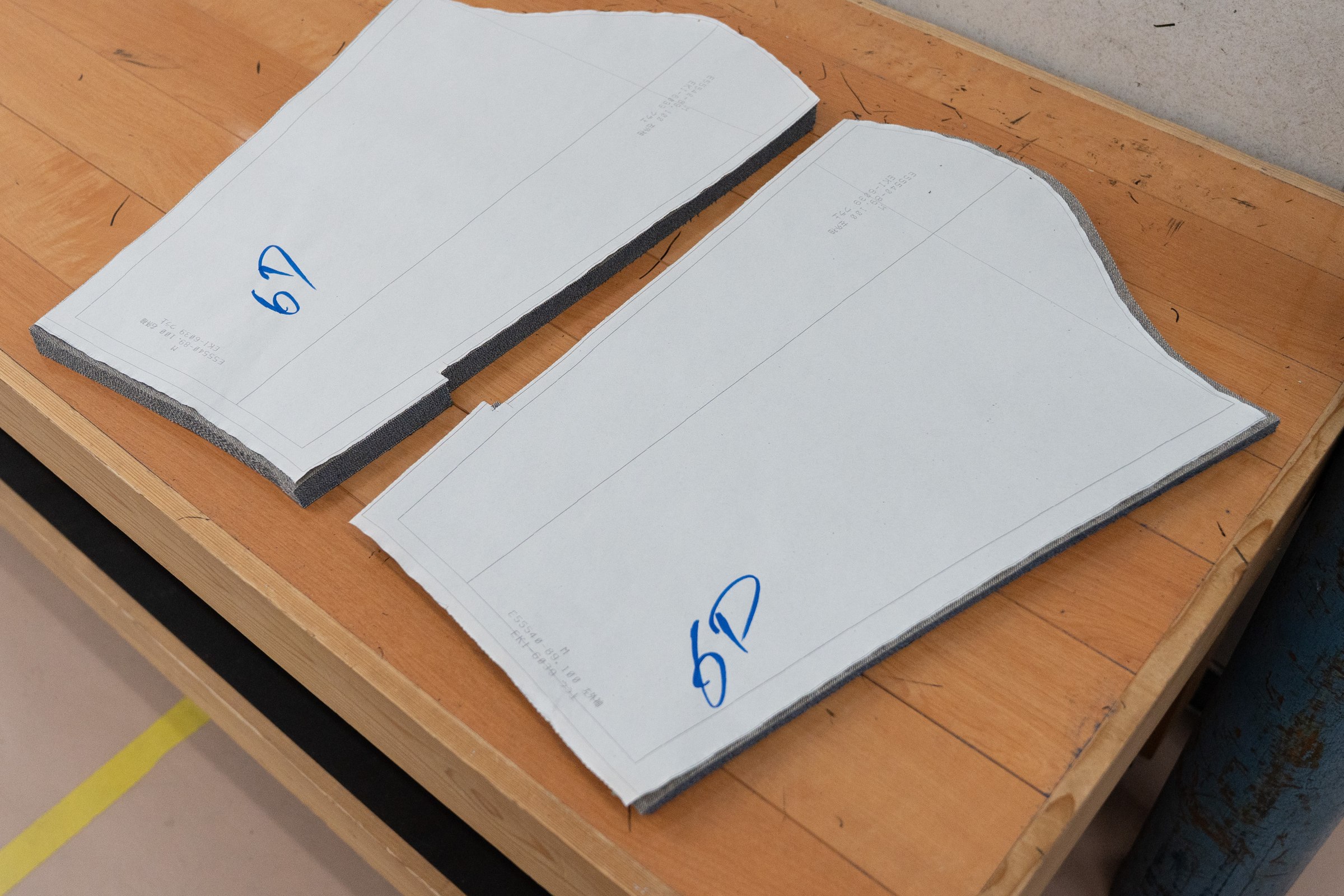
A CAM cutting machine then cuts each piece to data, with an accuracy that shapes both the ease of sewing and the final silhouette. The layout of the factory traces the same path the fabric takes — from roll, to cut piece, to finished shape.
Each step supports the precision of the next.
Machine Precision, Human Judgment
Dedicated machines line the factory floor. A pocket setter fixes pieces to a template and sews pockets to a set shape and position, holding complex steps to a stable precision. A belt-loop machine cuts, sews, and attaches loops automatically, and tack buttons and rivets are set by semi- and fully automatic machines.
These machines aren't there to replace skill — they take on repetition so people can focus where judgment is needed.
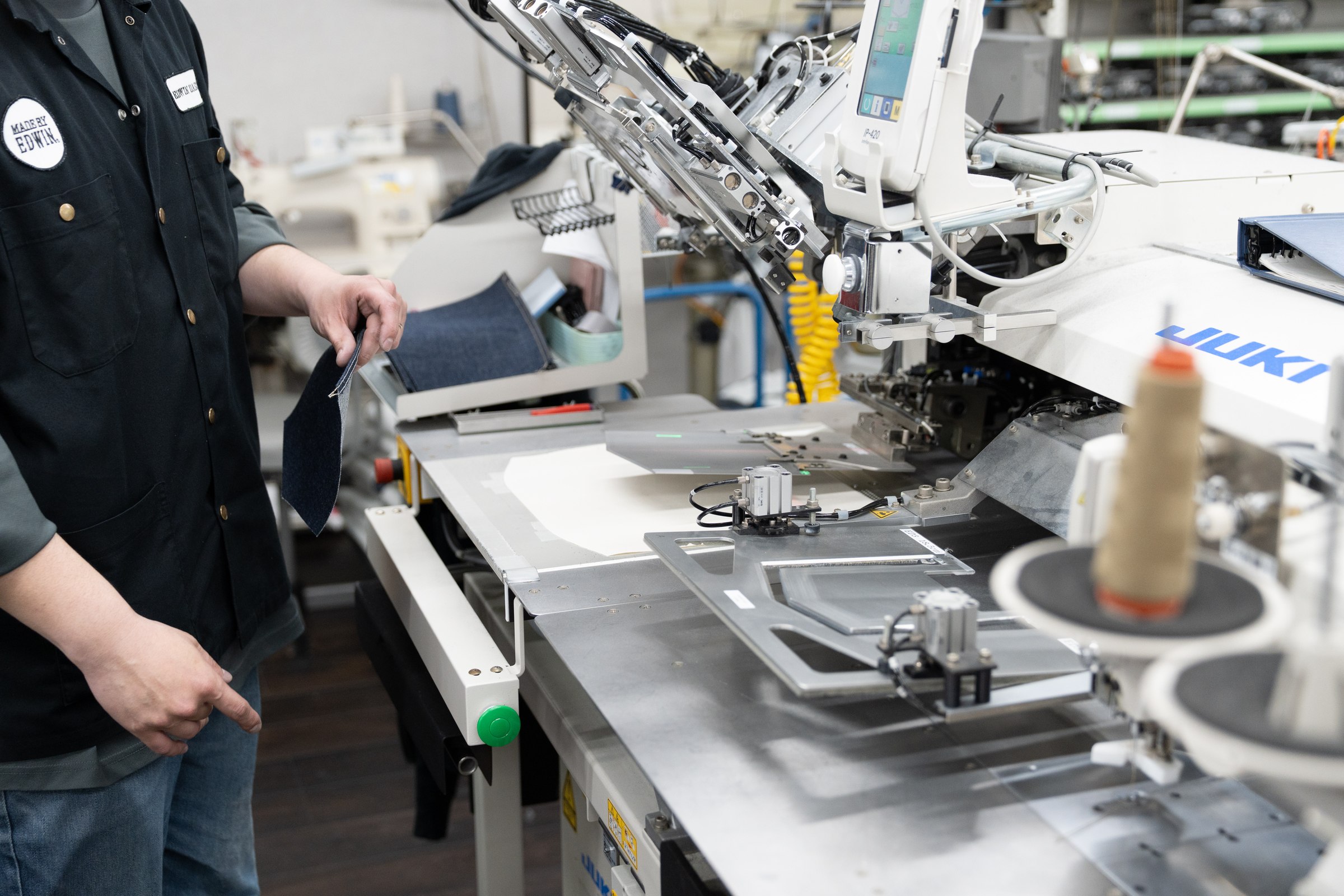
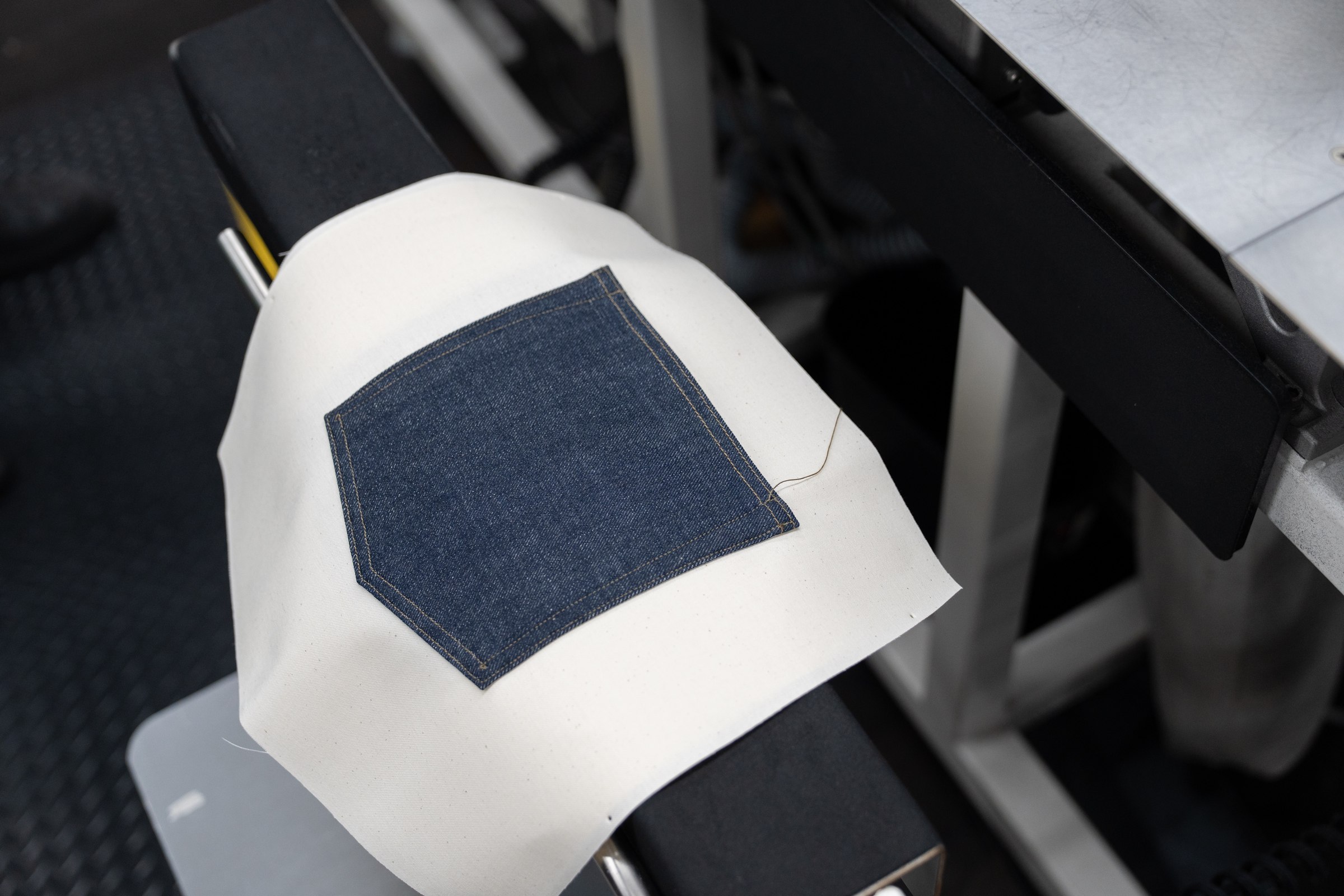
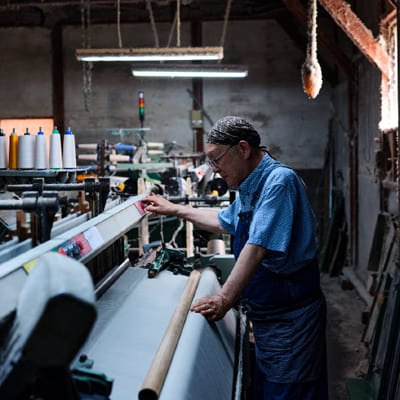
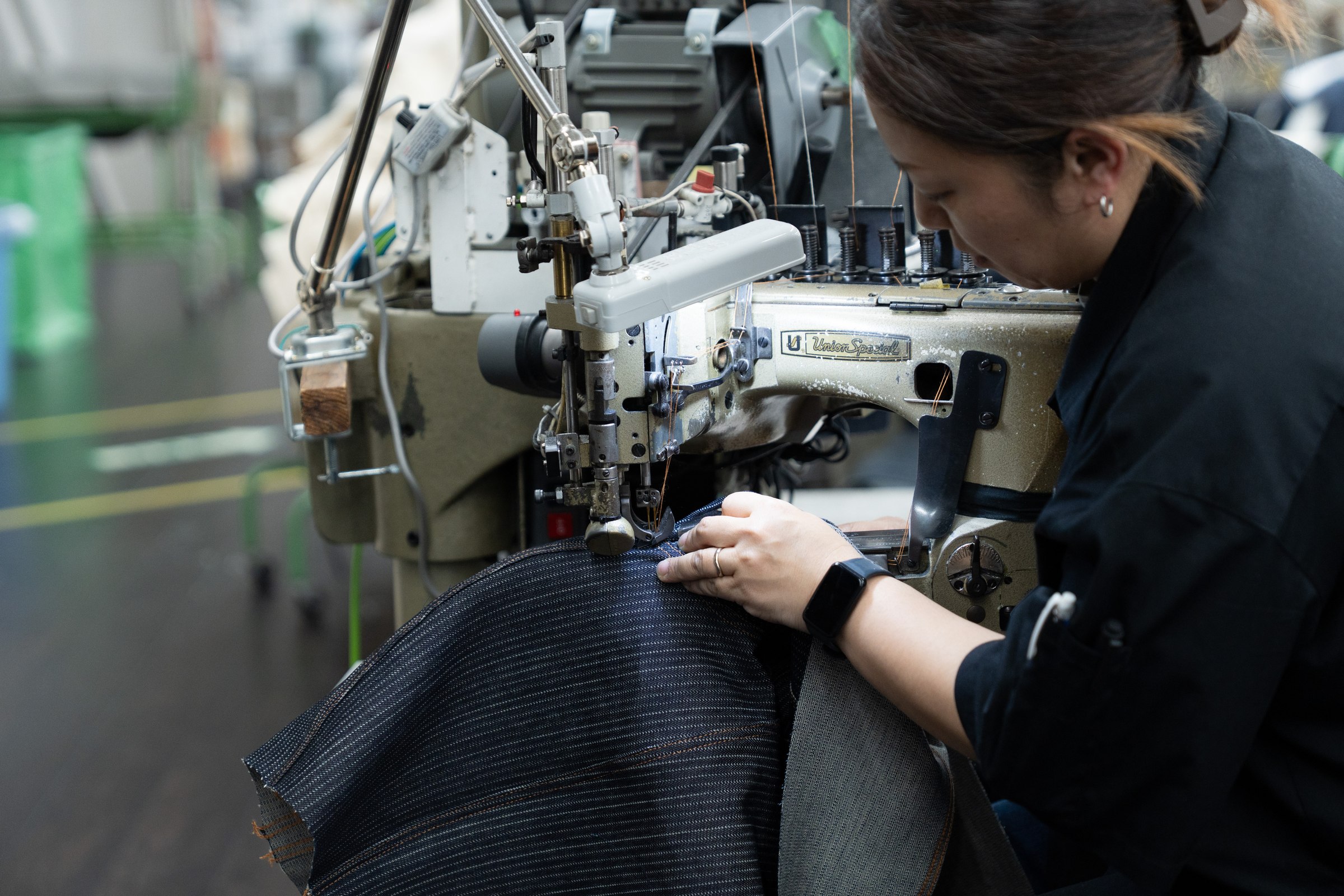
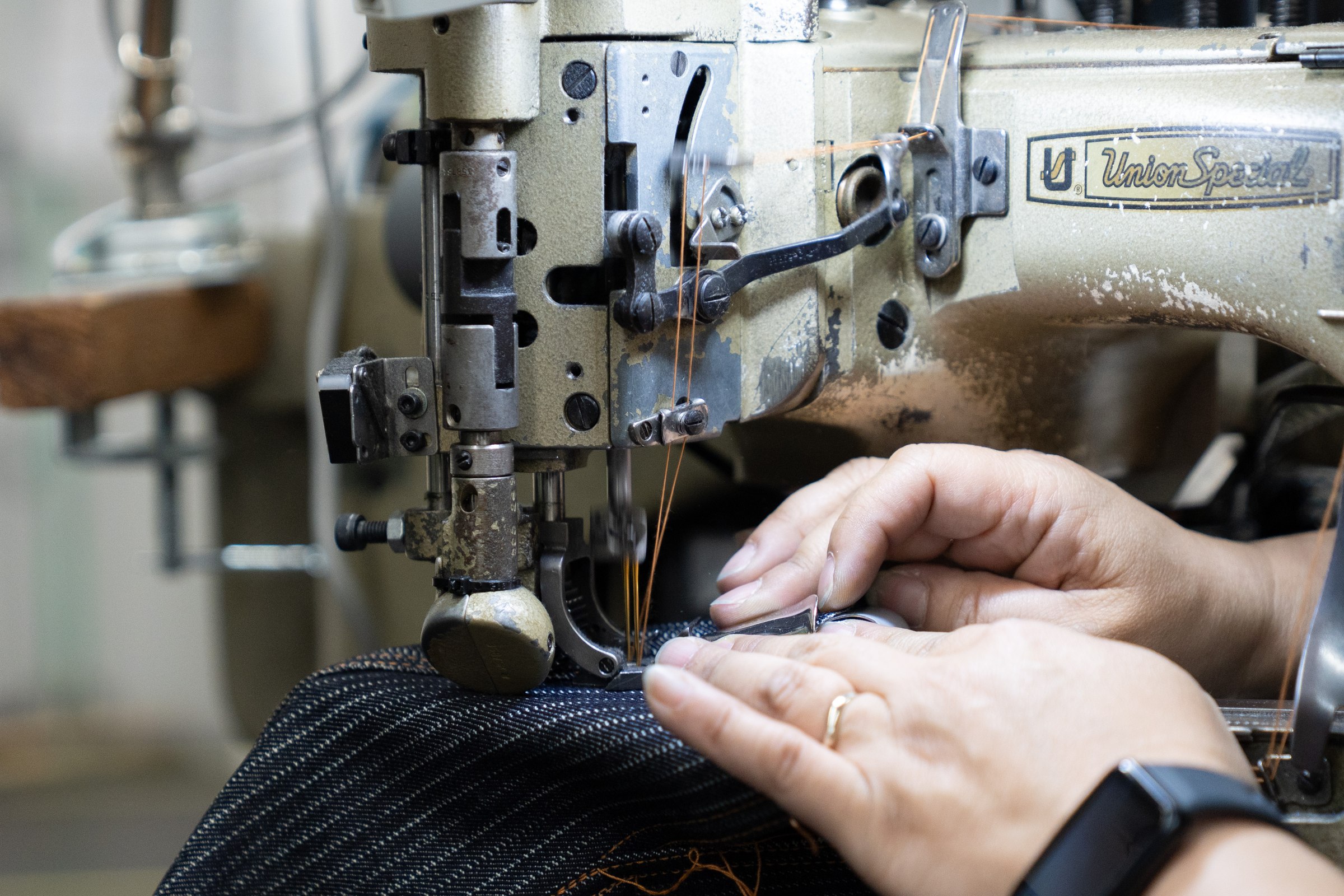
One such step is felled seaming, where the seam allowances of two fabric layers are folded in and stitched together with two parallel rows — a strong, clean finish essential to jeans and other workwear. The result depends on the angle, speed, and feed of the fabric, so the same machine won't give the same result in every hand.
At EDWIN BASE, this step is run by an experienced hand, watching fabric thickness and overlap while sewing at a steady width and pace. A dedicated room in the factory is kept for maintaining and adjusting the machines themselves.
Skill in sewing, and skill in maintaining the tools that make it possible — both are built up on site. Automated steps and steps that need experience; machine accuracy and human judgment. Quality comes from putting each where it belongs, not choosing one over the other.
Automation and craft divide the work — they don't compete for it.
03
Giving the Sewn Garment Its Character
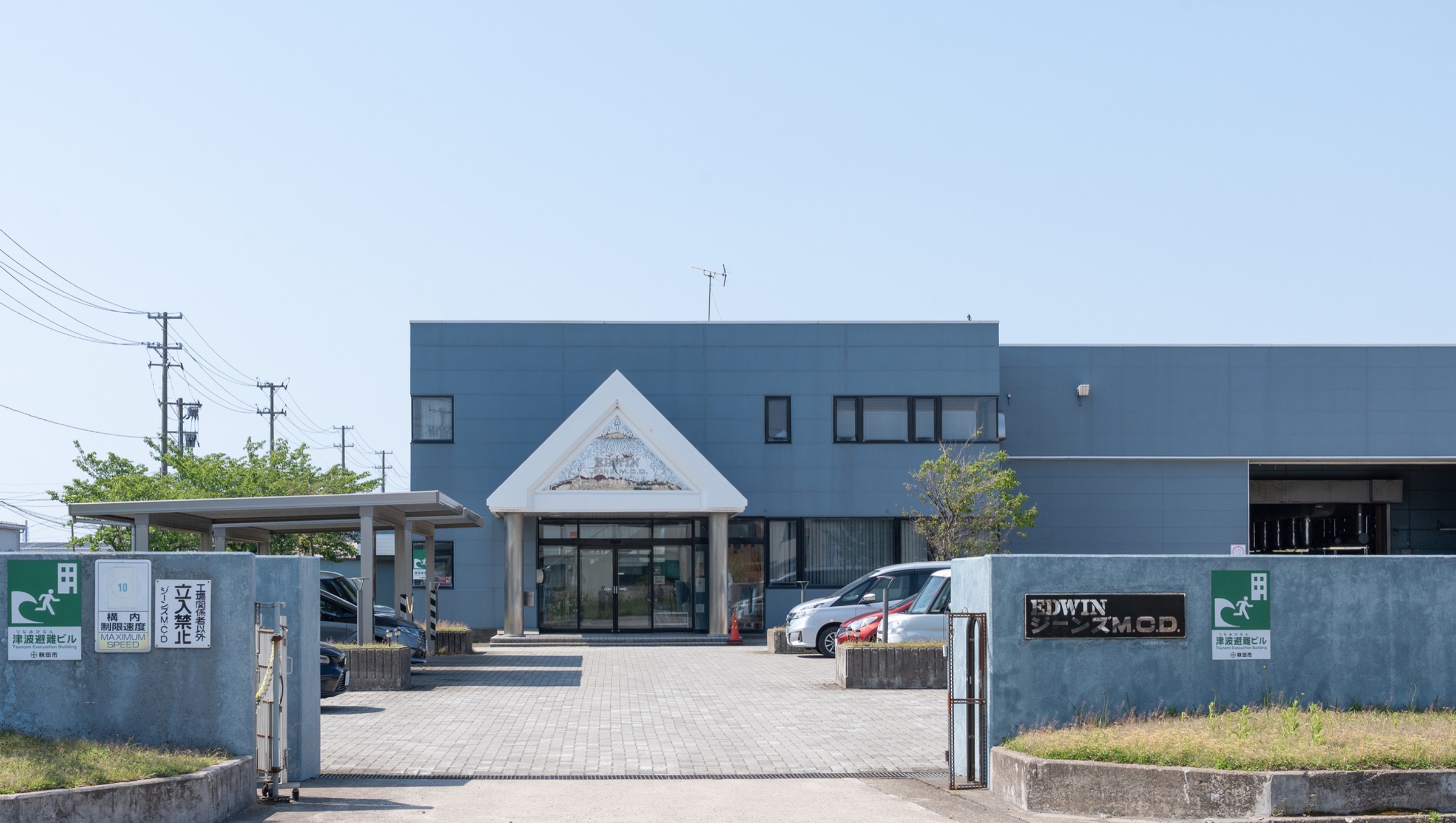
Sewn and inspected pieces move to JEANS M.C.D for washing and finishing. A garment holds its shape once sewn, but color, hand-feel, and the wear marks on its seams take shape after this stage.
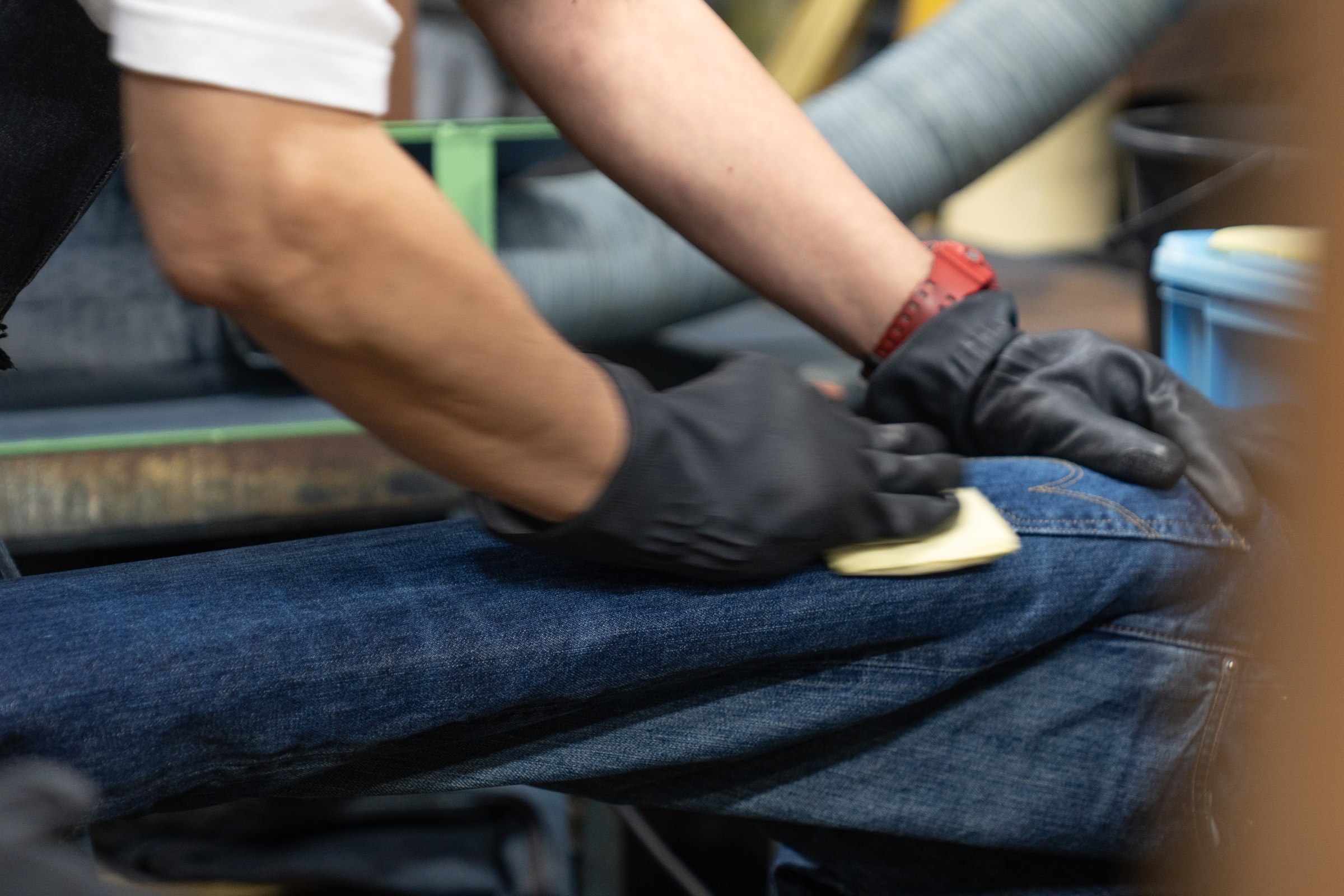
Pieces are sorted by finish and move through dyeing, washing, bleaching, laser work, and abrasion. Laser processing reproduces whiskers, fading, and damage from digital data; some abrasion is still done by hand with a pad, judged by feel against the seams and layers.
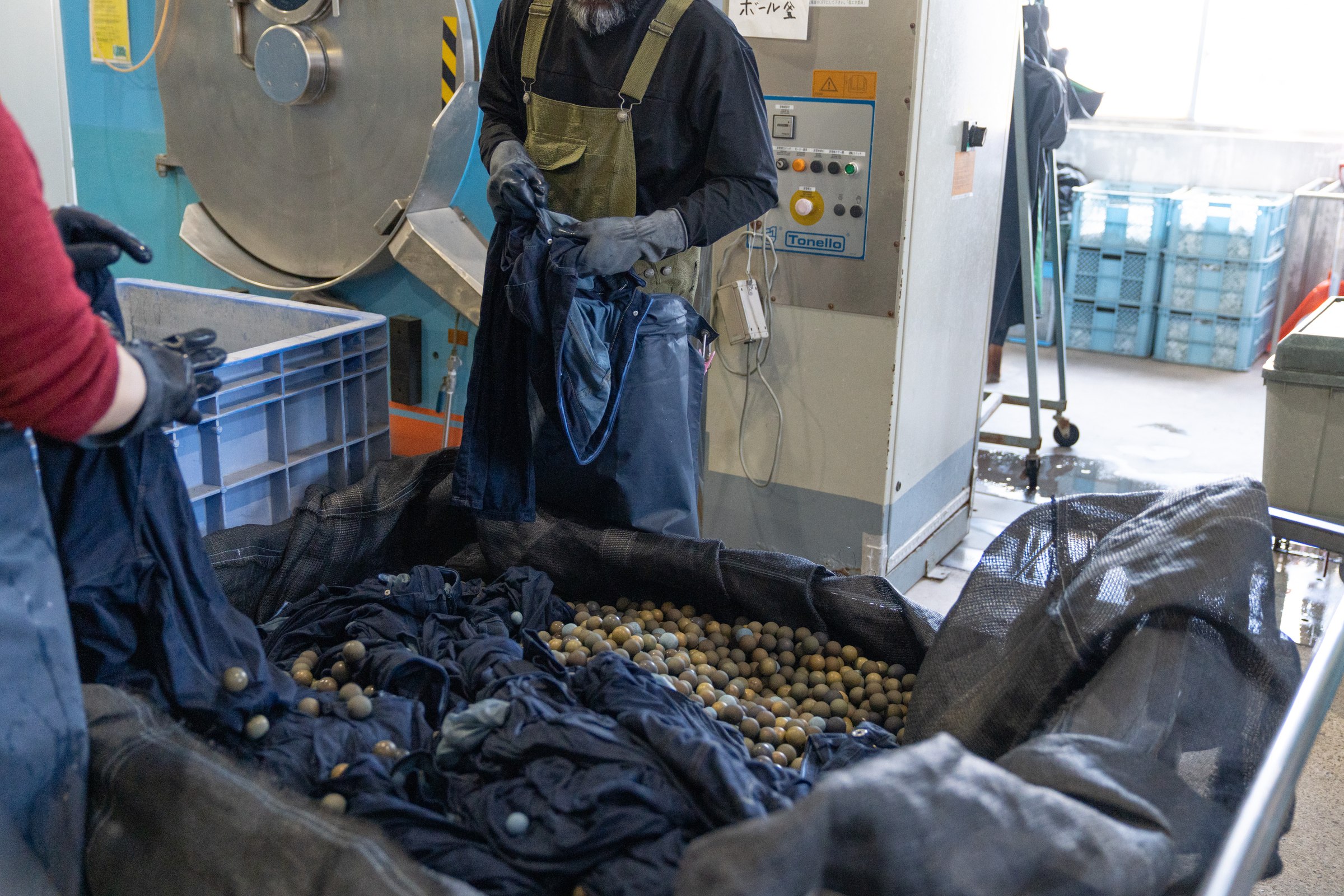
Stone washing and ball washing are among the finishes used — pumice for a worn-in look, rubber balls for softness. Equipment, materials, and time vary by finish, balancing repeatable results with hands-on adjustment.
04
Using Less in the Finishing Process
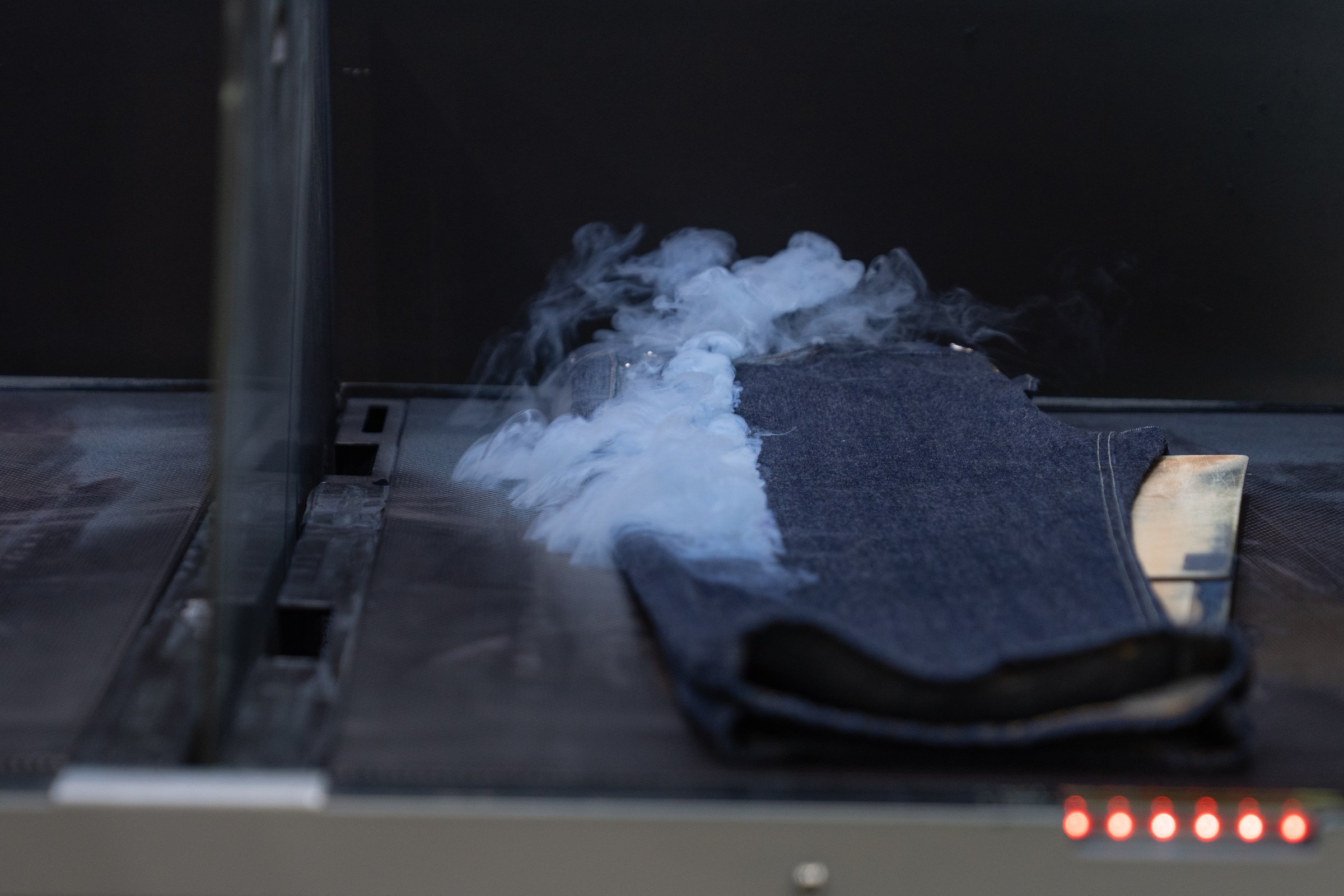
Washing and finishing draw heavily on water, heat, chemicals, and pumice. JEANS M.C.D cuts this down with laser processing, which reshapes the fabric surface from data instead of water, chemicals, or stone, and ozone finishing, which bleaches denim with ozone gas in place of water and chemicals.
Lowering environmental impact isn't a separate add-on — it's built into how the line itself runs.
Reducing impact is treated as part of the process, not apart from it.
05
Beyond the Water and Materials Used
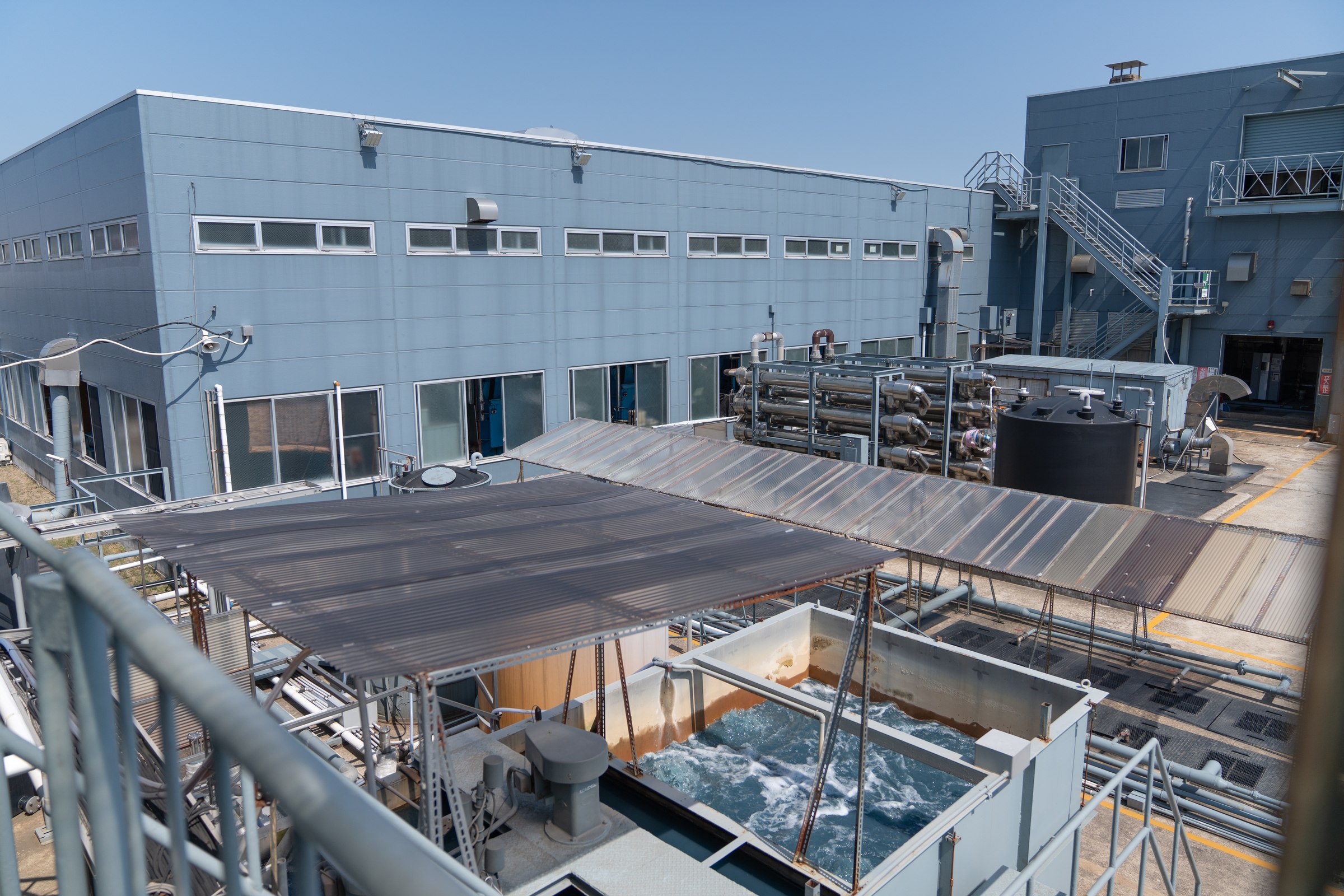
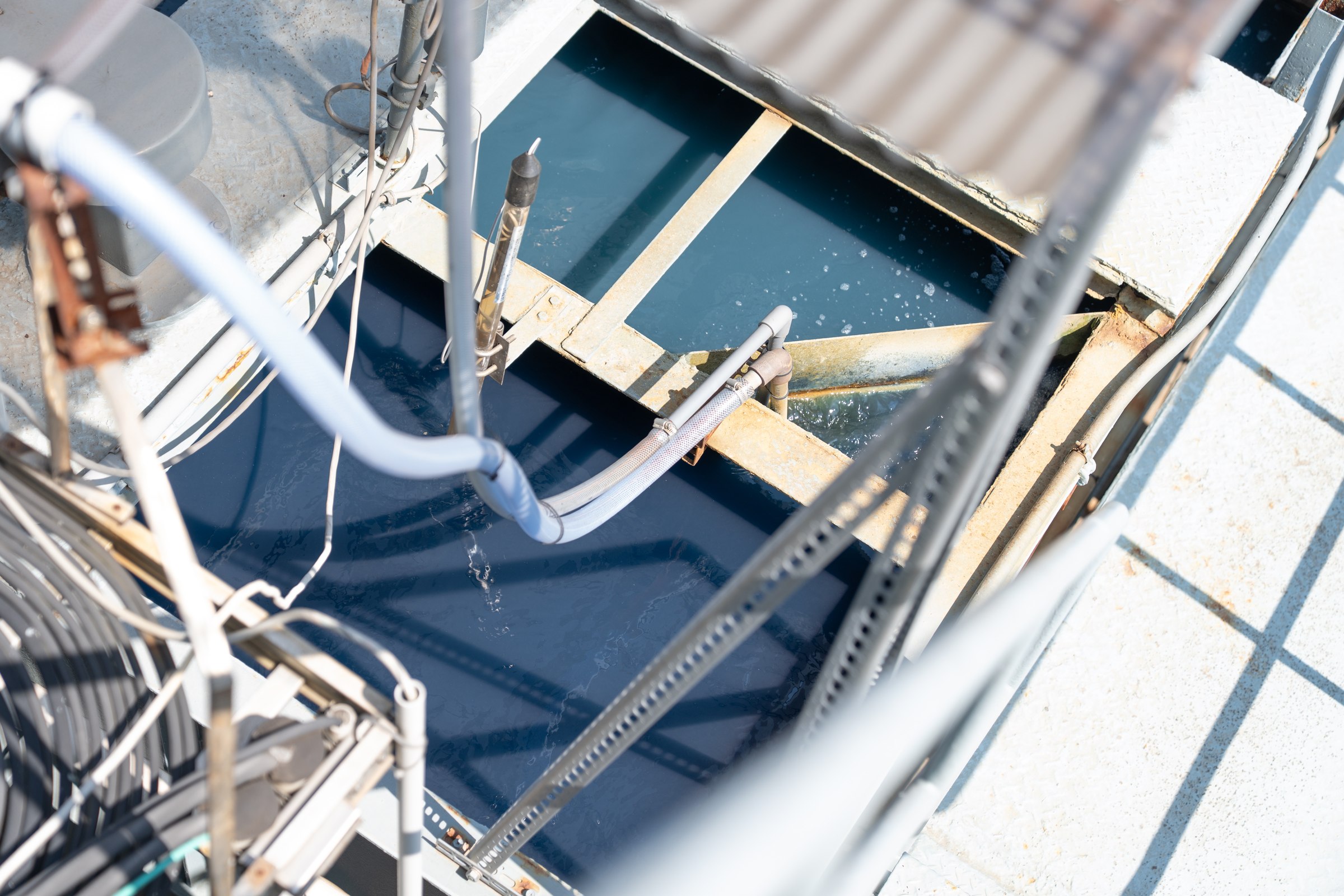
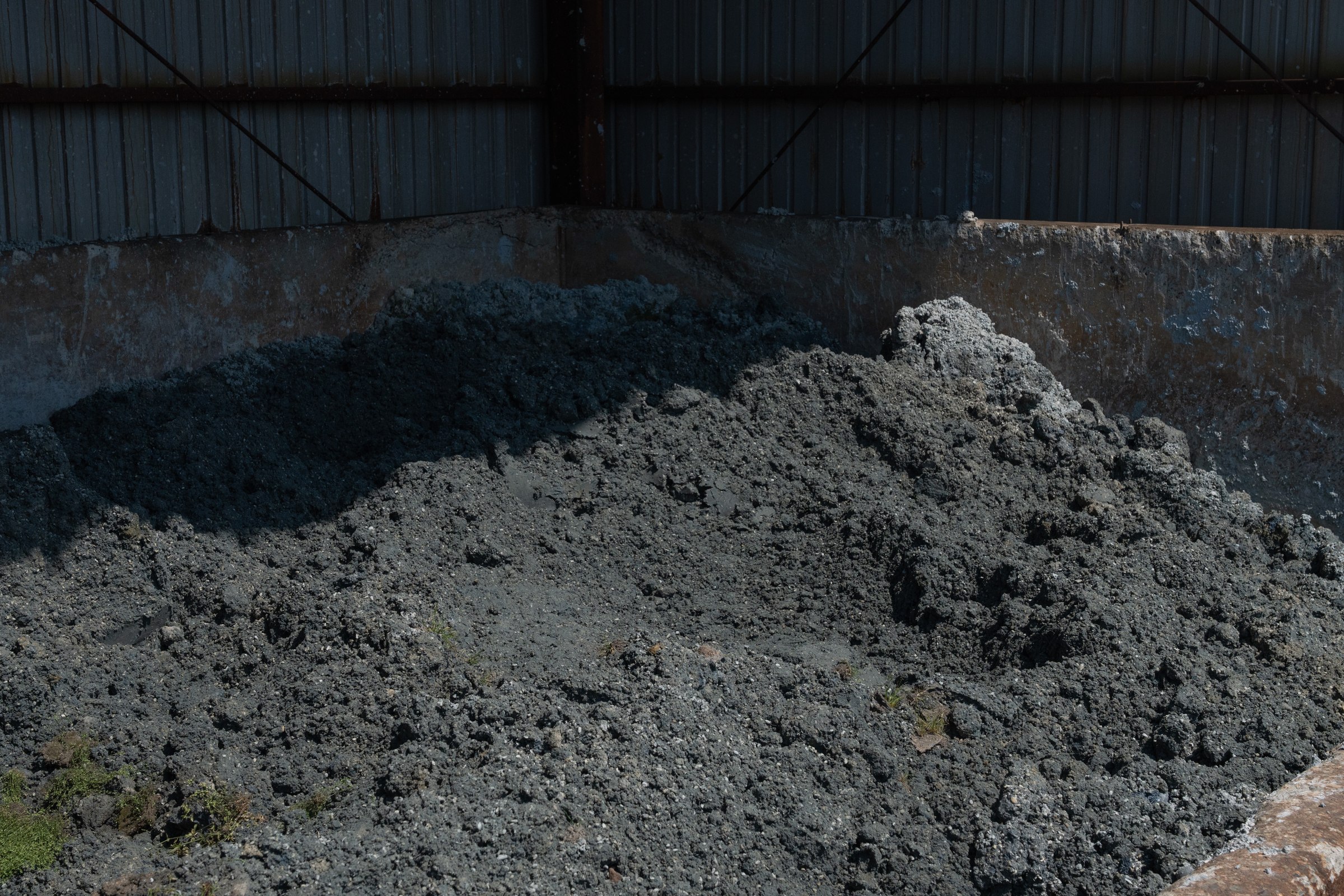
The factory's work continues after finishing. Sand settled from stone-wash wastewater is dried and reused as a cement material. Wastewater still warm from processing is looped back to the boiler instead of wasted. Remaining wastewater is treated — temperature and pH adjusted, sludge removed, filtered — then reused on site or released once it meets standard.
Using circular material alone doesn't make the whole process circular. Where the water goes, how the leftover sand and sludge are handled, where anything that isn't a finished garment ends up — these are part of the process too, even where they can't be seen in the finished piece.
06
The Last Step Is Checking Everything
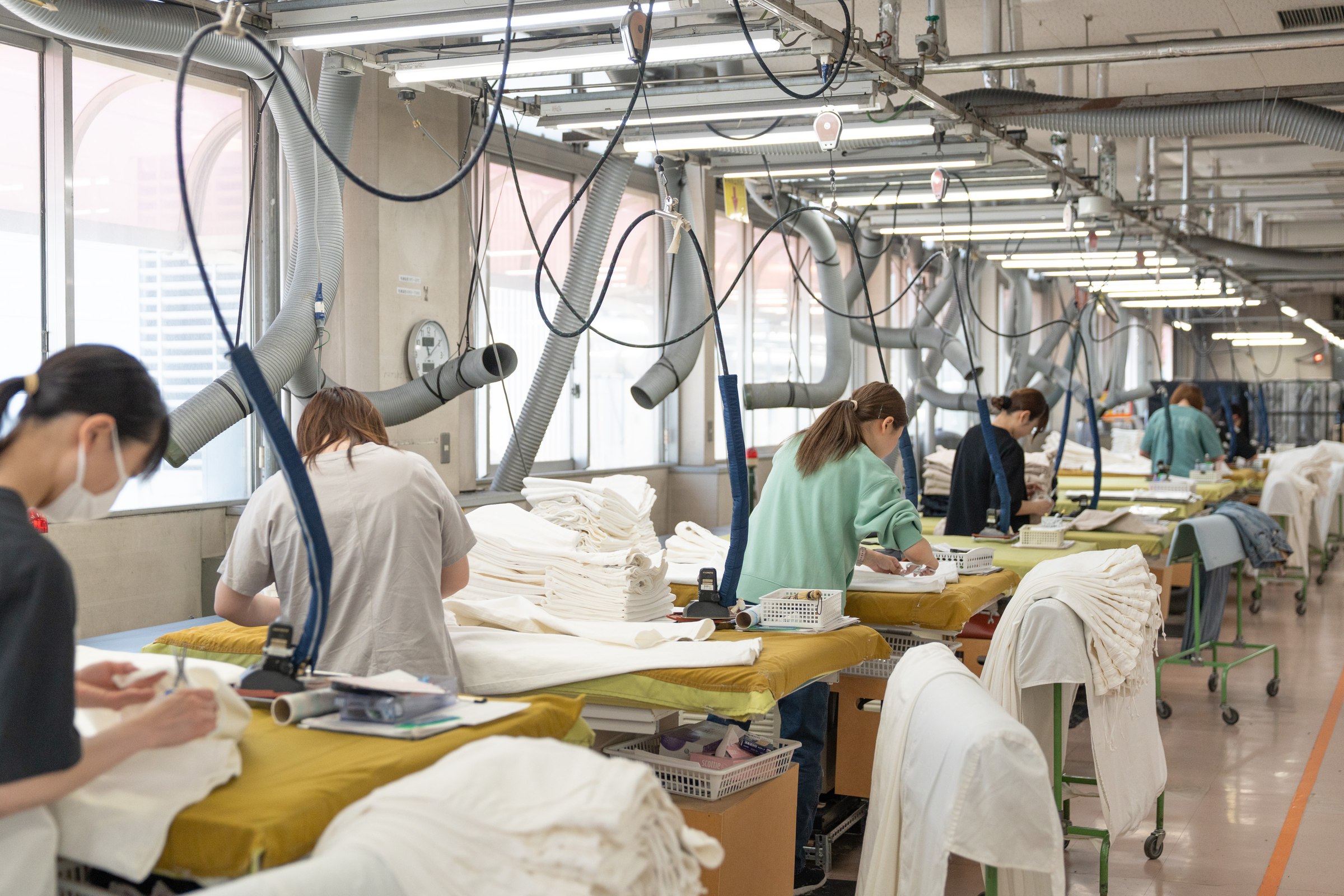
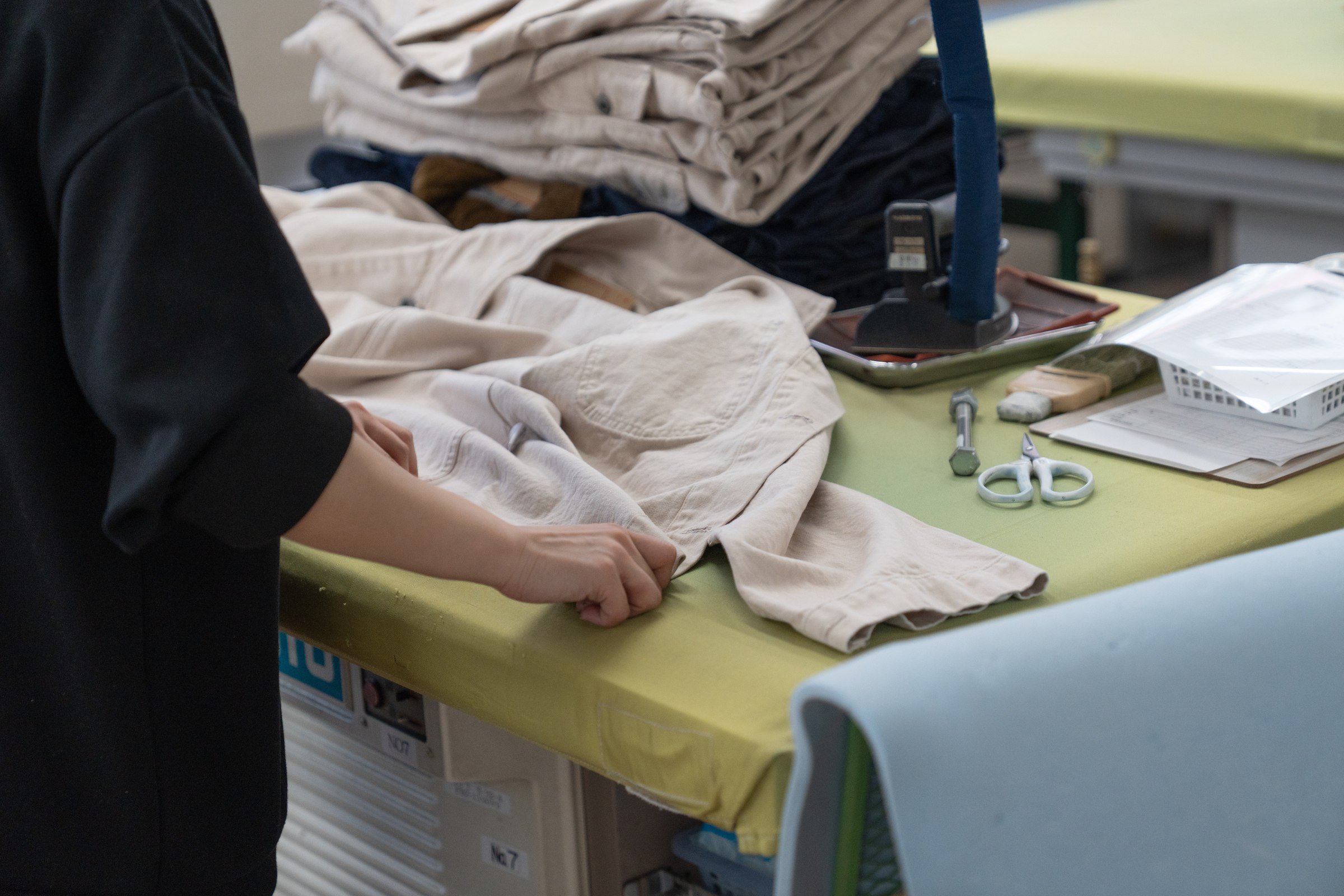
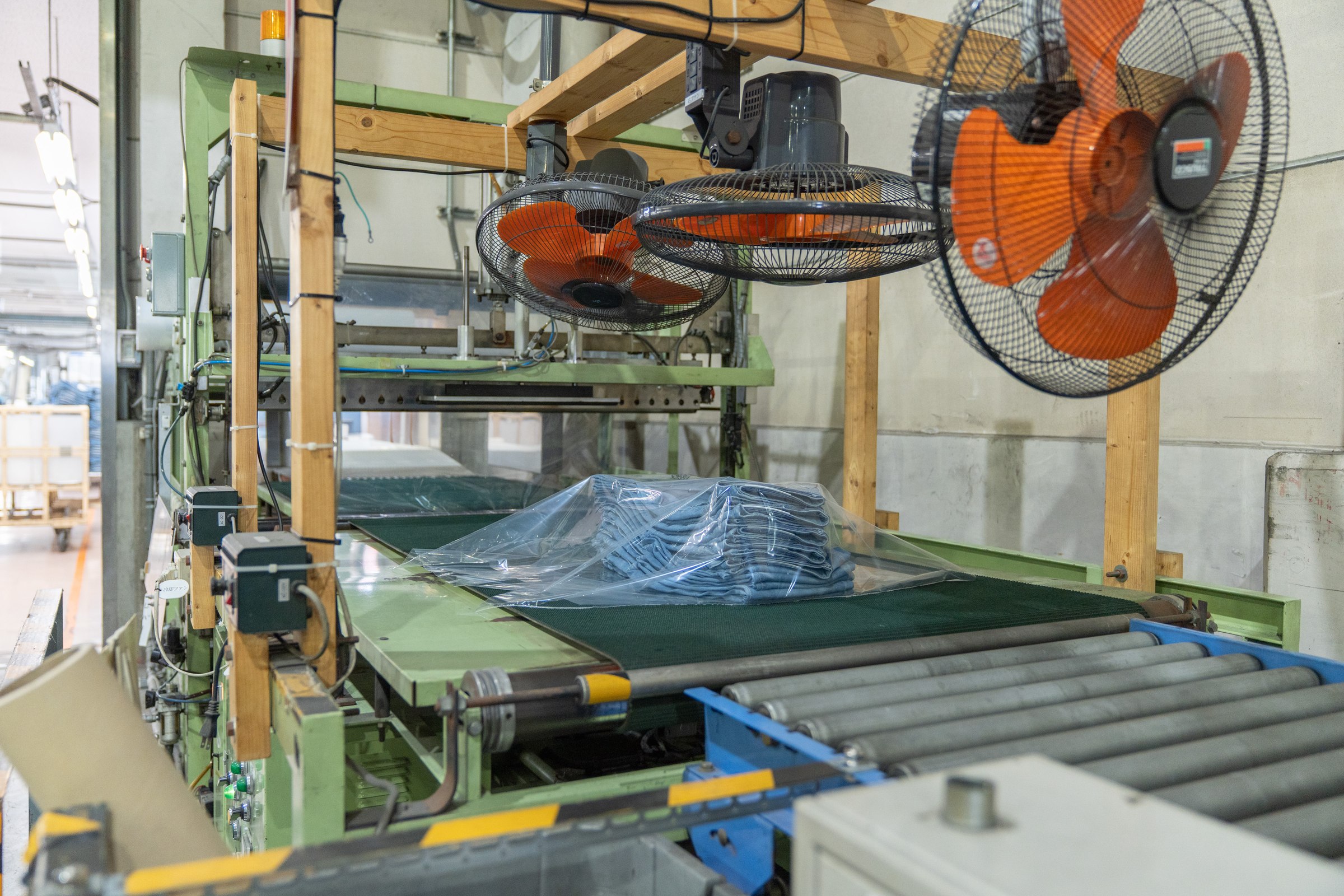
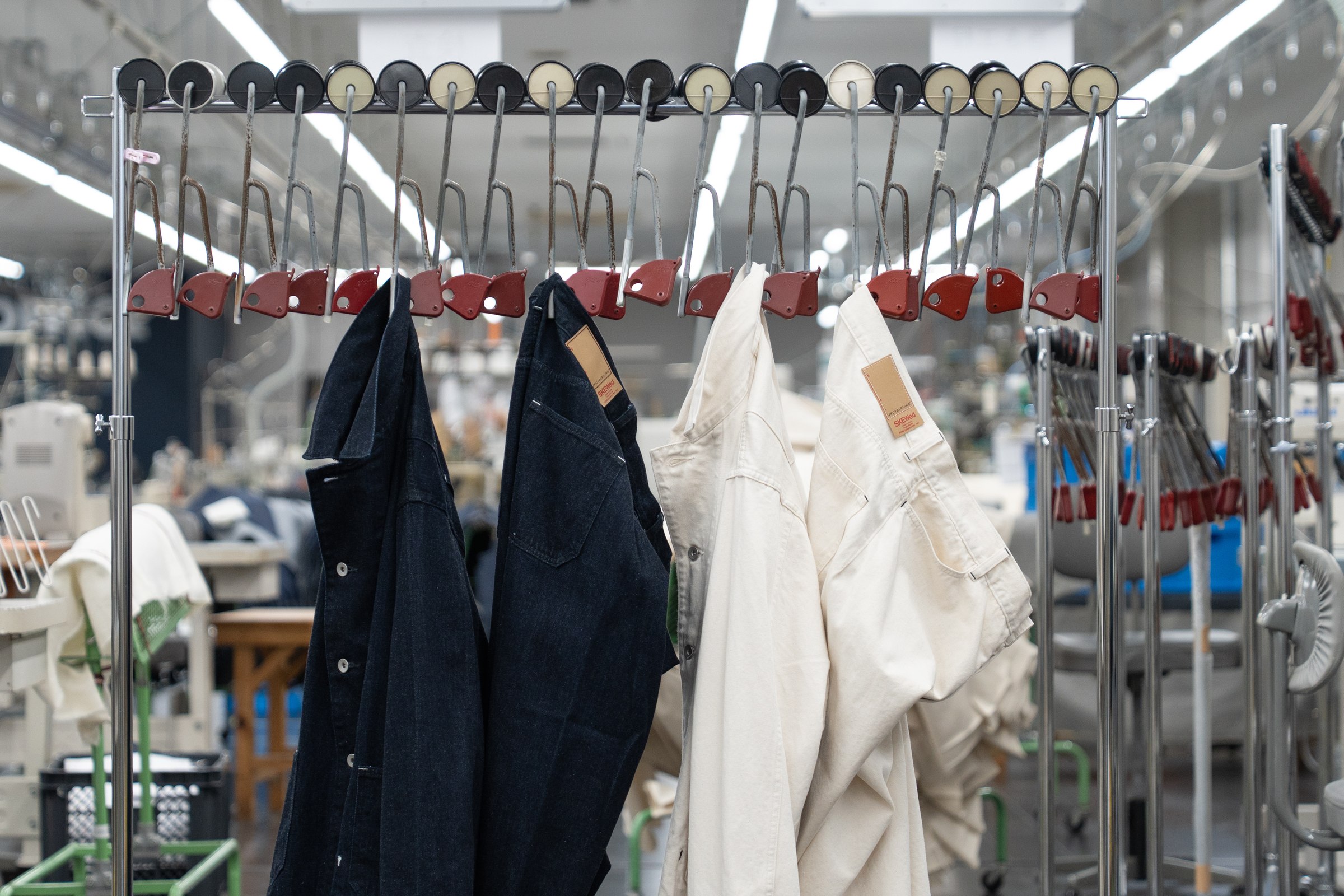
Washed and finished garments move to drying, steaming, and thread-trimming. Since washing changes a garment's measurements depending on fabric and construction, sizes are checked before and after processing against spec. Seams, buttons, and rivets are inspected, damage is checked for, and each piece passes through needle detection before shipping.
Cutting, sewing, washing, and finishing all visibly change a garment. Inspection doesn't add anything new — but it confirms that everything before it was done right. Between making a garment and sending it out as a finished product lies this standard, held to the very end.
Material Alone Doesn't Make a Garment
UpcycleLino's fabric uses cutting scraps from garment production as part of its raw material. But being circular material doesn't complete a garment's value on its own.
Understanding the fabric and cutting it accurately. Sewing with care for thickness and overlap. Choosing the right wash and finish for the piece. Using less water and material, and handling what's left responsibly. Checking every finished piece.
Turning material into a garment takes more than one special technique — it takes multiple factories, equipment, skill, and human judgment, plus a habit of updating every step toward a better way.
Circular material, and the skill to make it into a finished garment: this collaboration between UpcycleLino and SKEWed exists where both come together.
![[UpcycleLino] × SKEWed DENIM Back Tuck Jacket product shot](../images/jkt01.jpg)
![[UpcycleLino] × SKEWed DENIM Back Tuck Jacket on model](../images/jkt02.jpg)
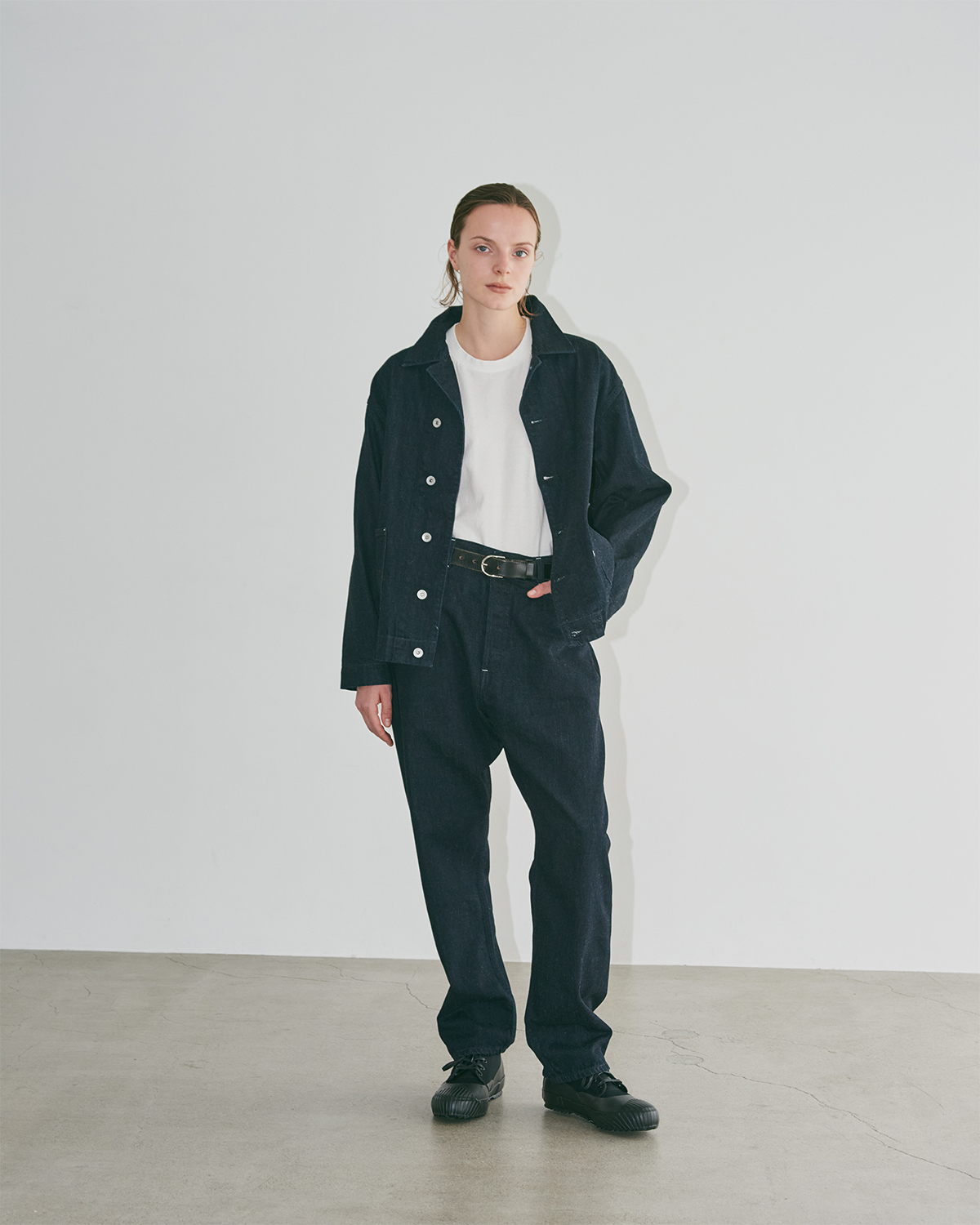
![[UpcycleLino] × SKEWed DENIM Pants on model](../images/pt02.jpg)
![[UpcycleLino] × SKEWed DENIM Back Tuck Jacket product shot](../images/jktpt01.jpg)
THE PRODUCT
Vol. 02
September 9, 2026
SPECIAL THANKS
EDWIN BASE / JEANS M.C.D